
Tier 1 Arch
Clean Code Standard
Strict adherence to PSR, SOLID, and DRY principles for maximum maintainability.
Modernize outdated systems by refactoring architecture, improving performance, and preparing software for future growth.
Unit Specialized in
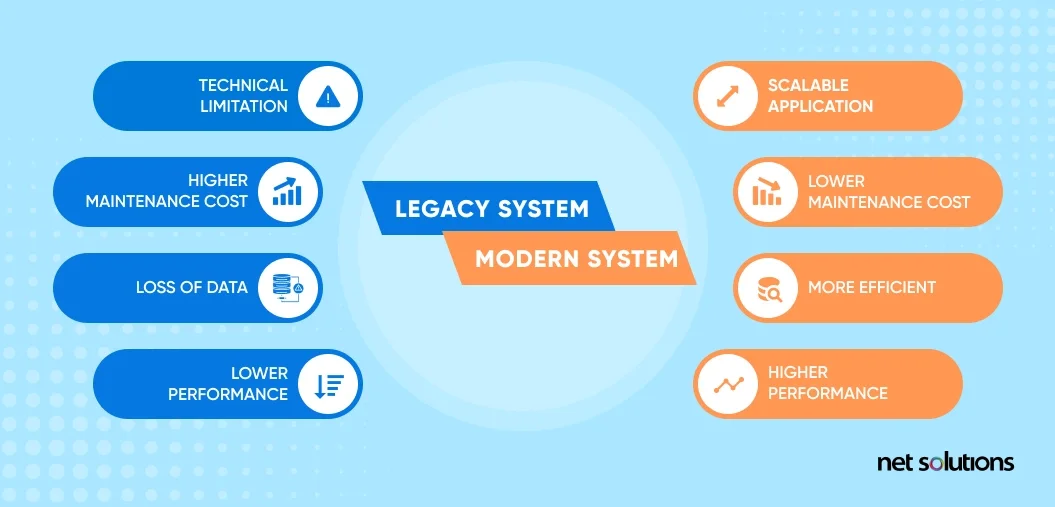
Many businesses rely on legacy systems that are slow, difficult to maintain, and risky to scale. System Modernization & Legacy Refactoring focuses on upgrading these systems without disrupting core business operations.
This service involves analyzing existing architecture, identifying bottlenecks, and refactoring code to improve performance, security, and maintainability. Modern best practices are applied while preserving business-critical logic.
The result is a more reliable, scalable, and future-ready system that supports growth instead of limiting it.
A comprehensive, 5-stage blueprint designed to transform high-level requirements into resilient, production-ready technology assets.
We deep-dive into your business objectives, perform technical feasibility audits, and define the architectural North Star.
Creating robust system designs, choosing the optimal tech stack, and defining scalable microservices and database schemas.
Iterative development with clean code practices, CI/CD automation, and constant alignment with the architectural vision.
Automated unit testing, security penetration audits, and load testing to ensure your software is battle-hardened.
Zero-downtime deployments, cloud infrastructure scaling, and long-term maintenance for sustained technical success.
A granular breakdown of the capabilities, protocols, and architectural patterns baked into this unit.
We adhere to a strict set of engineering standards that ensure every line of code we write is built for high-performance and future-proof scaling.
Improved system performance and reliability
Lower long-term maintenance costs
Reduced risk of system failures
Easier feature expansion in the future
Better security and compliance readiness
Execution starts with a detailed audit of the existing system to understand architecture, dependencies, and risk areas. Critical business logic is identified and safeguarded.
Refactoring is done incrementally to minimize downtime and disruption. Performance improvements, security enhancements, and structural upgrades are applied in controlled phases.
The modernized system is thoroughly tested before deployment, ensuring stability and continuity for business operations.
Modernization pricing depends on system size, complexity, and risk level.
Key pricing factors include:
Codebase size and quality
Architectural complexity
Performance and security requirements
Downtime and migration constraints
Projects are typically delivered using a milestone-based pricing model after system assessment.
Ongoing maintenance and optimization can be handled on a retainer basis.
Share details of your existing system to receive a modernization estimate.
All costs are calculated based on architectural complexity, resource intensity, and development timeline.
Get Custom QuotationQuick answers to common questions about our services and engineering process.
Schedule a technical discovery call with our leads to discuss your high-performance software requirements and architectural needs.